Emergency Action Plans That Actually Get Rehearsed
Most emergency action plans live in binders. Plans that work are the ones rehearsed, reviewed, and carried in the team's muscle memory. Here's how to build one.
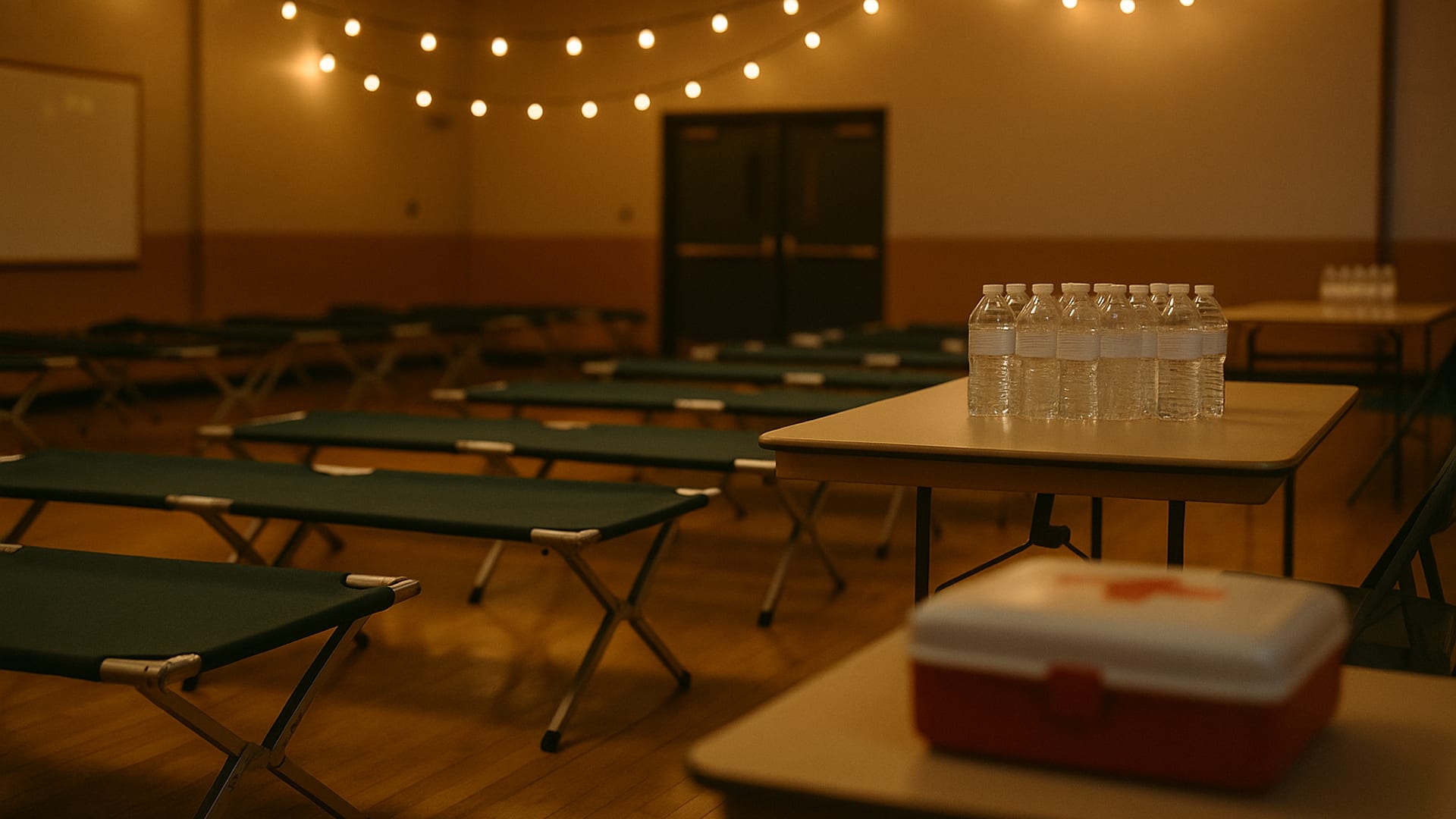
The document that lived in a binder.
Most emergency action plans have a similar origin. An insurance carrier, a licensing body, or an outside advisor required one. Someone on the team drafted it. It was approved, printed, put in a binder on a shelf, and filed. Leadership moved on to more visible priorities. The plan did its regulatory job by existing.
Years later, an event happened. Leadership pulled the binder. The plan listed people who had left the organization, phone numbers that were disconnected, protocols for a building layout that no longer exists, and procedures for technology long since replaced. The plan was legally present. Operationally, it was useless.
This pattern is so common that most of our clients recognize it immediately. The gap is not between organizations that plan and organizations that don’t. It is between organizations whose plans have become programs and organizations whose plans remain documents.
What a program looks like.
The difference between a plan and a program is visible in specific operational markers.
The plan is read.
Leadership has read it in the last 12 months. Not skimmed. Read. They can describe its main sections without opening it.
The plan is current.
Staff names, phone numbers, building diagrams, and technology references reflect the organization as it is today, not the organization as it was three years ago.
The plan is rehearsed.
The team has practiced at least one scenario from the plan in the last 12 months. A tabletop, a walkthrough, or a live drill.
The plan is owned.
One named person is the plan’s owner. When staff have questions, they know who to ask. When changes happen, they know who to notify.
The plan is reviewed.
There is a calendar item, actually on someone’s calendar, for quarterly review and annual refresh.
The plan is visible.
Leadership meetings reference it. Insurance conversations reference it. Board updates include its rehearsal status. It is not a hidden compliance artifact.
Organizations that hit four or more of these markers are running a program. Organizations hitting fewer are running a plan. The difference shows up in real events.
The six scenarios every SWFL facility should have practiced.
A complete emergency action plan addresses many scenarios, but most facilities benefit from having actually rehearsed six:
- Fire alarm / evacuation. The most common and most regulated. Annual live drill at minimum.
- Severe weather shelter-in-place. Specifically hurricane in SWFL, but also thunderstorms with tornadic activity.
- Medical emergency. Heart attack, stroke, severe allergic reaction, fall with injury. Requires rapid coordinated response.
- Lockdown / active threat. Rare but high-consequence. Practice matters here because the response is specific and time-compressed.
- Loss of utilities. Power, water, internet, or HVAC failure during occupied hours. Continuity, not crisis, but worth practicing.
- Communication disruption. Phones down, cellular congestion, primary staff unreachable. Planning assumes normal comms; reality sometimes doesn't cooperate.
Tabletopping each of these at least once a year, rotating through them quarterly, builds a team that has thought through most of what an emergency is likely to bring.
The Hurricane Ian revelation.
Hurricane Ian made landfall in Southwest Florida on September 28, 2022. It was the regional stress-test that no exercise could have simulated.
What Ian revealed, across the dozens of clients we worked with before and after:
Organizations that had rehearsed the plan handled the storm well.
They knew who was responsible for what. They had updated contact lists. They had established vendor and LE relationships before the storm. They communicated clearly with families and stakeholders.
Organizations that had plans they hadn’t read struggled.
They discovered during the storm that their plans referenced staff who had left, phone numbers that were disconnected, protocols that assumed resources no longer available. They improvised. Some improvised well. Many did not.
The difference was rehearsal, not budget.
Some of the best-prepared organizations were small, under-resourced nonprofits that had simply practiced. Some of the most-struggling were larger organizations with beautiful binders nobody had opened.
The lesson has shaped how we help clients think about emergency planning in our region since.
The annual refresh cycle.
For most organizations, an annual plan refresh works as follows:
Month 1: Full read-through
Leadership reads the full plan end-to-end with fresh eyes. Notes every section that no longer reflects reality.
Month 2: Update
Corrections are drafted. New people, new numbers, new technology, new protocols. The board chair, if applicable, reviews the draft.
Month 3: Staff briefing
Team members learn what has changed and why. The updated plan is distributed in whatever format the organization uses.
Month 4-6: Scenario rotation
Quarterly tabletops start working through scenarios. One per quarter, documented, debriefed.
Month 7-9: Live drill
At least one live drill (usually evacuation) is conducted. Documented. Debriefed. Findings incorporated.
Month 10-12: External review
An outside advisor reviews the plan and current rehearsal state. Findings inform next year’s refresh cycle.
This is a year. The cumulative time commitment is modest. The resulting program discipline is substantial.
The named owner.
Every plan has to have a named owner. One person. Not a committee. Not “the safety team.” A specific person whose role includes maintaining the plan.
The owner’s responsibilities:
- Schedule the quarterly rhythm on the calendar
- Lead the annual refresh cycle
- Be the contact point when staff have questions
- Update the plan when material changes happen
- Report to leadership on rehearsal and status
- Coordinate with outside advisors when needed
This role does not require a full-time person. For most small to mid-size organizations, it is a few hours a month for a senior staff member or a committed long-tenured volunteer. What matters is that the role is named, not that it is large.
The Southwest Florida add-ons.
Hurricane country specifics that differentiate SWFL emergency planning from other regions:
- Pre-season checks (May/early June): Generator test, supplies inventory, evacuation plan review, vendor availability confirmed
- Active season adjustments (June-November): Revised contact protocols, staff availability awareness, evacuation logistics pre-positioned
- Storm-specific decisions: Evacuation versus shelter-in-place criteria, decision-maker named, timing thresholds documented
- Post-storm recovery: Facility check-in protocol, staff welfare confirmation, operational-resumption checklist
- Insurance documentation: Pre-season photographs of facility condition, updated inventory, current coverage review
Many of these are inexpensive. Together they differentiate facilities that handle hurricane season confidently from facilities that scramble each year.
Jesus describes the shame of unfinished work as a motivation for honest planning. The passage is often read spiritually. Applied operationally, it cautions against plans built for compliance without the budget or commitment to finish them as programs. A plan worth writing is a plan worth rehearsing. The rest is theater.
Starting this quarter.
If your organization has a plan but not a program, a short path forward:
- Pull the plan this week. Read it end-to-end. Note everything that is out of date.
- Name the owner. One person, with leadership sign-off.
- Schedule the first tabletop for next month. Pick the most relevant scenario.
- Commit to the quarterly rhythm. Put it on the calendar now.
- Plan the annual external review for 10 months from today.
The hardest thing and the most worth it.
Moving a plan from document to program is mostly about discipline, not money. It is also, in our experience, one of the hardest changes for organizations to sustain through busy seasons. Emergency planning always feels less urgent than the next grant deadline, the next event, the next budget cycle - until it suddenly isn’t.
For organizations in Fort Myers, Cape Coral, Naples, Port Charlotte, and surrounding areas ready to turn plans into programs, we would be glad to help. For the closest companion reading, see our pieces on tabletop exercises, after-action reports, and our Hurricane Ian 2022 case study.
Ready when you are
A plan that's actually rehearsed.
Emergency action planning that becomes a program. Written, trained, rehearsed, and current when the storm arrives.
Build a real planRelated Insights
Keep reading.

Hurricane Ian (2022, SW FL): Shelter Security and the Chaos Multiplier
Hurricane Ian made landfall September 28, 2022. The storm tested every Southwest Florida facility and revealed the specific security work our region requires.

Liaison Work: Building Your Relationship with Local LE, Fire, and EMS
A quiet but high-leverage part of any serious security program is establishing a real relationship with local law enforcement, fire, and EMS before you need them.

The 30/60/90-Day Security Action Plan Explained
A good audit ends with a 30/60/90-day plan. Here's how P23 decides what goes where, why pacing matters, and how to use the plan with leadership.